Table of Contents
Toggle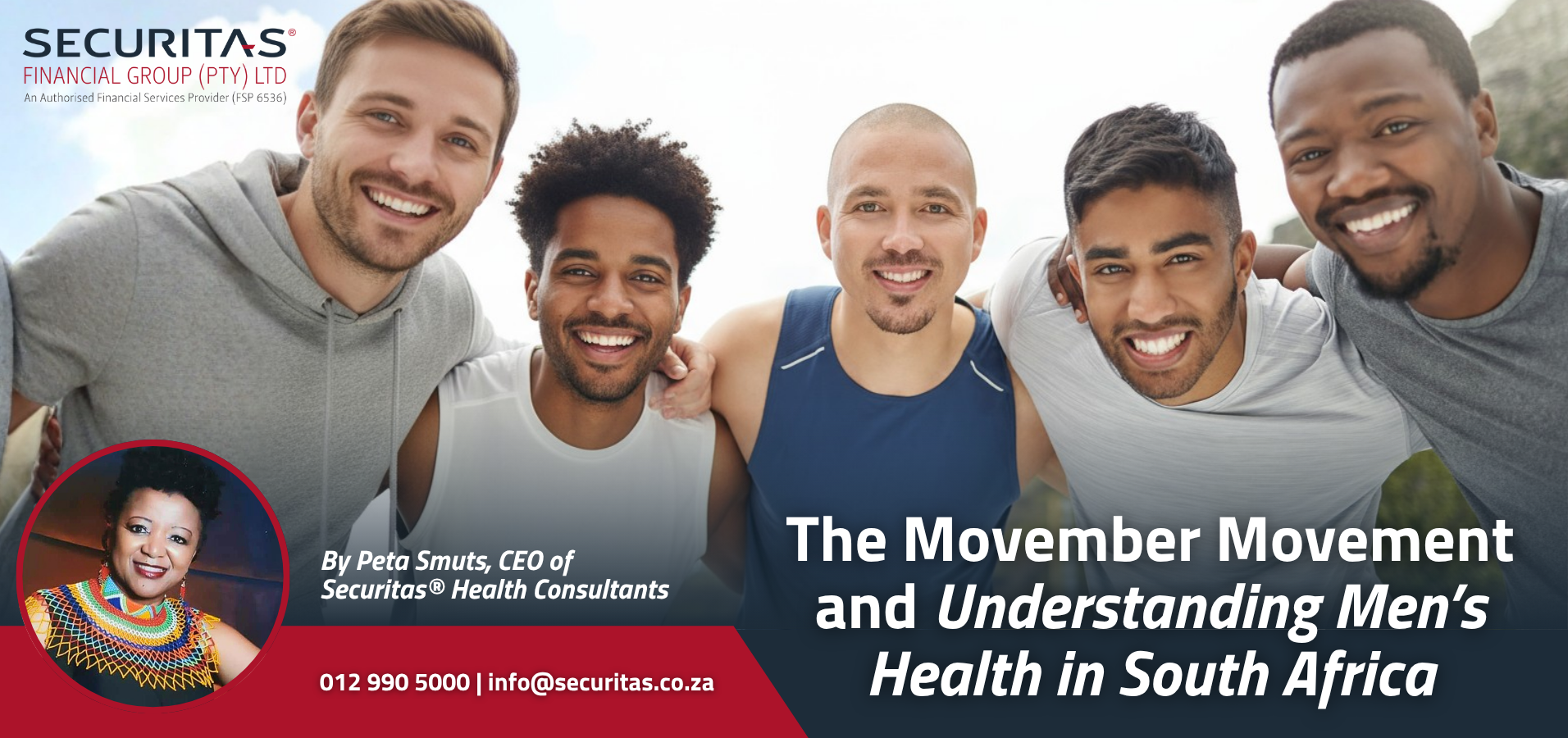
Men's Health
The Movember Movement and Understanding Men’s Health in South Africa
Men’s health often receives less attention than it should, yet it encompasses deeply consequential issues, physical, mental, and emotional, that affect not only individuals but whole communities. Among the most pressing concerns in South Africa are testicular cancer, prostate cancer, and the mental health challenges men face. Awareness, open dialogue, and early action can shift the balance in favour of prevention and intervention.
In South Africa, campaigns and movements such as Movember, CANSA’s testical interview campaign, and the Hollard Daredevil Run have begun to break the silence around men’s health. Coupled with lifestyle strategies and financial support options, these efforts form a multi-pronged approach to protecting men’s wellbeing.

Securitas® Financial Group
Testicular Cancer
Though relatively uncommon in the general male population, testicular cancer is a real concern, especially for younger men. According to the 2023 National Cancer Registry, the lifetime risk for South African men is about 1 in 1,749 (CANSA, 2025). It is, however, the most frequent cancer in men aged roughly 20 to 35 years. The good news is that many cases can be detected early. A lump, swelling, or heaviness in the scrotum should never be ignored but rather prompt medical evaluation immediately.
Self-examination is a simple but powerful tool in the early detection arsenal. Men are urged to perform monthly checks, ideally after a warm shower when the scrotum is relaxed. Knowing what feels normal for one’s own testicles helps detect subtle changes over time. In South Africa, campaigns like CANSA’s testicle interview campaign have played a key role in destigmatising talk about testicular health and instructing men how to self-check safely and confidently.
While testicular cancer is rarer than prostate cancer, its prognosis is very favourable when caught early. Maintaining awareness, practising self-exams, and seeking medical consultation at the first sign of change are the best defences for younger men.
Early diagnosis
Prostate Cancer
Prostate cancer is among the leading male cancers globally and in South Africa. The same 2023 National Cancer Registry estimates a lifetime risk of one in 16 men (CANSA, 2025). The prostate is a small gland beneath the bladder that produces seminal fluid; cancers in this gland often grow slowly and silently in early stages, making early detection essential.
Symptoms typically emerge only after the disease has advanced. These may include difficulty initiating or stopping urination, a weak or interrupted stream, frequent nocturnal urination, or a burning sensation during urination or ejaculation. In later stages, men may experience pain in the hips, lower back, or upper thighs. Risk factors include advancing age, family history (especially first-degree relatives with prostate or breast cancer), being overweight, and diets high in red meat or full-cream dairy. Research suggests that South African men of African descent may be more susceptible to aggressive forms of prostate cancer and faster progression (Wits University, 2024).
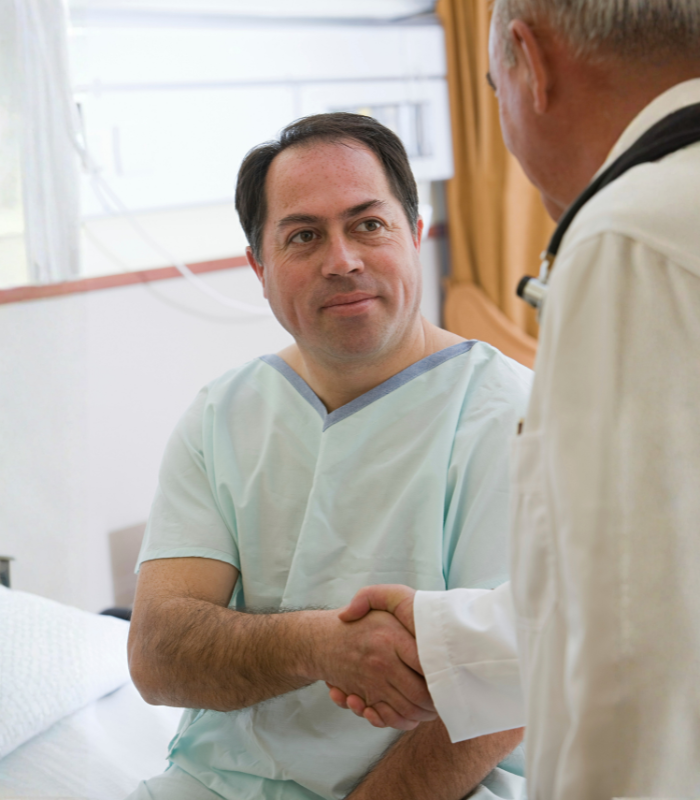
Early diagnosis is assisted by two widely used screening tools: the Prostate-Specific Antigen (PSA) blood test and the digital rectal exam. Men with elevated risk, such as those with a family cancer history, should consider beginning screening around age 40, while others may start discussions with their doctors from age 45 onwards. A PSA test alone cannot confirm cancer, but it serves as an important signal that further investigation may be needed.
In South Africa, some medical aid providers actively promote preventive care by offering wellness programmes and incentives for screenings. These rewards may encourage men to be more proactive about their health. While participation is optional, these programmes can provide additional motivation and support to prioritise early detection.



Securitas® Financial Group
Mental Health
Men’s mental health is a vital, yet too often neglected, pillar of overall wellbeing. In South Africa, the disparities are stark. Of the approximately 13,774 suicides recorded in recent years, around 10,861 were men, translating to a male suicide rate of approximately 37.6 per 100,000, compared to 9.8 per 100,000 for women (Health Systems Trust, 2024; SA Federation for Mental Health, 2024). The country ranks among the highest globally, with South Africa’s overall suicide rate estimated at 23.5 per 100,000 in 2024 (Mail & Guardian, 2025).
These numbers reflect a harsh reality: men in South Africa are far more likely to die by suicide than women. Socio-economic pressures, unemployment, cultural norms of stoicism, and the stigma associated with emotional vulnerability compound the crisis. Many men do not seek help due to fear of being perceived as weak or unmanly (World J Clin Cases, 2023; Health Systems Trust, 2023)
The result is a silent epidemic, a loss that is preventable with earlier conversation, support systems, and access to care.
Men’s mental health is not separate from their physical health. Stress, untreated psychological distress, and emotional suppression can negatively impact immune function, hormonal balance, and even increase the risk of illnesses. For men in South Africa, addressing mental health openly is as crucial as screening for cancer.
Prostate Cancer
Movements That Help Break the Stigma
Campaigns and movements that normalise conversations about men’s health are critical in shifting cultural perceptions.
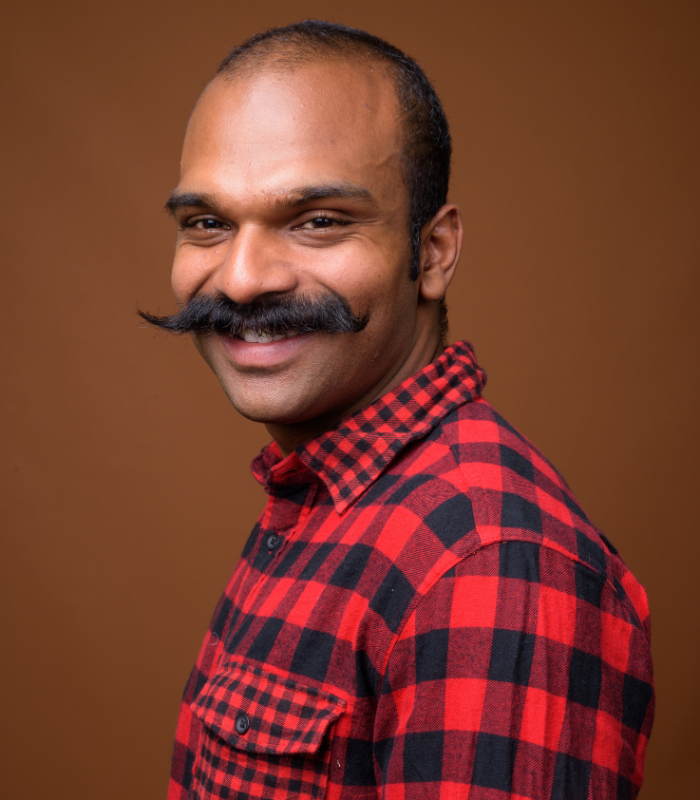
At the forefront is Movember, a global movement where participants grow a moustache each November to spark conversations about men’s health issues, particularly prostate cancer, testicular cancer, and mental health. The power of a simple moustache lies in its visibility; it invites questions, awareness, and dialogue. Movember funds support research, mental health initiatives, and community programmes aimed at reducing stigma and improving care.
In South Africa, CANSA’s testicle interview campaign uses humour and open expression to encourage men to “talk balls.” Through testicles giving their own “testimonials,” the campaign educates men on self-examination and reduces awkwardness around the topic. This creative approach helps remove barriers that often silence men.
Another bold and highly visible initiative is the Hollard Daredevil Run. Participants take on a 5 km run wearing only purple Speedos, drawing attention and igniting conversations about men’s cancer in a memorable, tongue-in-cheek manner. The 2024 run saw approximately R780,000 raised, which Hollard boosted to R1 million, funds used to expand access to cancer screening in underserved areas (DFA, 2025).
These campaigns do more than raise funds; they create safe spaces for men to talk openly, normalise regular testing, and shift cultural norms that too often render men silent about their health.


Securitas® Financial Group
Lifestyle and Financial Support
Men’s health isn’t only about disease surveillance; it’s also about how we live. Lifestyle habits play a significant role in reducing risk and improving outcomes. A balanced diet rich in fruits, vegetables, lean proteins, and fibre helps maintain a healthy weight and supports overall wellbeing. Regular exercise helps reduce inflammation, supports cardiovascular health, and contributes to maintaining hormonal balance. Avoiding excessive red meat, full-cream dairy, smoking, and heavy drinking further lowers risk.
Alongside these habits, financial support mechanisms can ease barriers to care. In South Africa, medical aid schemes offer varying levels of coverage, along with gap cover to offset shortfalls in treatment costs. Many medical aid providers offer wellness or rewards programmes that encourage preventive behaviour, such as offering incentives for participating in health screenings, taking out gym memberships, attending wellness activities, and making healthier dietary choices.
While no provider is endorsed here, it is wise for men to review their medical cover annually, understand what preventive screenings are included, and plan for possible out-of-pocket costs. Taking advantage of wellness incentives and screening benefits is one more way of transforming awareness into action.
Movember
Conclusion
Men’s health in South Africa requires more than just quiet concern; it demands bold awareness, open conversation, and proactive action. Testicular cancer, though less common, strikes younger men and responds to early detection through self-exams and prompt medical attention. Prostate cancer is more widespread and riskier in later years, making routine screening and risk awareness indispensable. Mental health, too, cannot be treated as a side issue. High suicide rates among men reflect deep social, economic, and emotional pressures that silence many from seeking help.
Campaigns like Movember, CANSA’s testicle interview campaign, and the Daredevil Run show us that breaking stigma doesn’t require sombre lectures; it needs creativity, visibility, humour, and compassion. These movements invite men to speak, test, support one another, and normalise health as a shared priority.
Lifestyle choices and financial support mechanisms offer the tools to back up awareness with action. Healthy eating, regular exercise, moderation, and using medical aid benefits or rewards programmes help to close the gap between intent and behaviour.
If there is one message to leave with, it is this: knowing your body, having informed conversations, going for screenings, and accessing support are not optional; they are essential. In South Africa, where disparities in access and stigma remain barriers, every man who steps forward to act, talk, and care becomes part of a collective shift. Take charge today, for yourself, and for the men who may follow your courage.
If you found this article helpful, please share it with friends, family, and colleagues to help spread awareness and encourage more men to take charge of their health.
You may also find it insightful to read Exploring Mental Health Struggles in Modern South Africa and Your Heart Is in Your Hands.