Table of Contents
Toggle
Securitas® Financial Group
Your Heart Is in Your Hands
Every year, World Heart Day reminds us that heart disease remains the world’s leading cause of death. But more importantly, it’s a call to action to take better care of our heart health before problems arise. At its core, this message is a simple one: your heart is in your hands. That means your daily choices and lifestyle habits play a crucial role in preventing cardiovascular disease (CVD) and protecting your long-term well-being.
While many people believe heart problems are something that “happen later” or “run in the family,” the reality is that anyone can be at risk, and many risk factors are within our control. The World Heart Federation emphasises that more than 75% of CVD-related deaths occur in low- and middle-income countries, and most of these are preventable through lifestyle changes and awareness (World Heart Federation, 2023).
So, what does it mean to take your heart health into your own hands?


Cardiovascular conditions
Understand the Risk Factors
Many cardiovascular conditions, such as heart attacks, strokes, and hypertension, are linked to lifestyle-related risk factors. These include unhealthy eating, physical inactivity, tobacco use, and harmful use of alcohol. But they also include less obvious culprits like unmanaged stress, poor sleep, and a lack of routine check-ups.
According to the Heart and Stroke Foundation South Africa, the top contributors to heart disease are high blood pressure, raised cholesterol, obesity, physical inactivity, smoking (including vaping), and diabetes (Heart and Stroke Foundation South Africa, 2023). These risk factors can often go unnoticed, which is why proactive health checks are vital.
Securitas® Financial Group
Nourish Your Heart With Better Nutrition
A heart-healthy diet is one of the most powerful tools in preventing CVD. Reducing your intake of salt, processed foods, added sugars, and trans fats can significantly lower your risk. Instead, focus on whole foods like fruits, vegetables, whole grains, legumes, lean proteins, and healthy fats such as olive oil, avocado, and nuts.
It’s also important to read food labels and be mindful of hidden ingredients, particularly in packaged and convenience foods. Many South Africans consume far more sodium than recommended, often without realising it. According to the World Health Organisation, a reduced-sodium diet can lower blood pressure and improve heart health outcomes (World Heart Federation, 2023).
Rather than treating healthy eating as a restrictive rulebook, think of it as a long-term investment in how you feel and function every day. Preparing meals at home, using fresh ingredients, and moderating portion sizes are simple but effective steps.


Stop smoking
Quit Smoking and Vaping
Smoking remains one of the leading causes of heart disease worldwide. While most people are familiar with the dangers of cigarettes, many still underestimate the risks of vaping. E-cigarettes are often marketed as safer alternatives, but they still contain nicotine and other harmful chemicals that can damage the heart and blood vessels.
The Heart and Stroke Foundation South Africa notes that both smoking and vaping increase the risk of high blood pressure, stroke, and coronary artery disease. Quitting is not easy, but support is available, and the benefits begin almost immediately. Within 20 minutes of stopping smoking, heart rate and blood pressure drop. Within a year, the risk of heart disease is cut in half.
The earlier you stop, the better, but it’s never too late to start reversing the damage. Speak to your doctor, pharmacist, or wellness advisor for guidance on nicotine replacement therapies or cessation programmes.
Securitas® Financial Group
Make Movement a Habit
Physical activity is essential for a strong, healthy heart. Regular exercise helps reduce blood pressure, control weight, manage cholesterol, and support good mental health. However, you don’t need to run marathons or train like an athlete to benefit.
The World Heart Federation recommends at least 150 minutes of moderate-intensity activity per week. This can include brisk walking, dancing, gardening, cycling, or swimming, anything that raises your heart rate and gets you moving.
If you struggle with motivation, consider joining a group or community-based activity. Parkruns, hiking groups, and local running or walking clubs are excellent ways to stay active and socially connected. Many people find that the shared accountability and companionship make it easier to stay consistent.
Importantly, if you’ve been inactive or have existing health concerns, speak to your healthcare provider before starting a new fitness routine. Listen to your body, start slowly, and build up your endurance over time.


Heart health
Manage Stress and Sleep
Heart health isn’t only about what you eat or how often you exercise, it’s also about how you manage stress and rest. Chronic stress can lead to raised cortisol levels, increased blood pressure, and harmful behaviours such as overeating or smoking.
Finding constructive ways to manage stress, whether through deep breathing, journaling, meditation, therapy, or engaging in hobbies, can help protect your heart and overall wellbeing. Physical activity also plays a major role in reducing stress and improving mood.
Sleep is another vital, often overlooked pillar of heart health. Adults need between seven and nine hours of quality sleep each night. Poor sleep quality has been linked to higher risk of hypertension, obesity, and diabetes which are all risk factors for heart disease.
Creating a consistent bedtime routine, limiting screen time before bed, and keeping your bedroom quiet and dark can support better sleep habits.
Securitas® Financial Group
Know Your Numbers
Many people live with high blood pressure, raised cholesterol, or early-stage diabetes without knowing it. These “silent” conditions often don’t show symptoms until significant damage has already occurred. That’s why regular check-ups and screenings are so important.
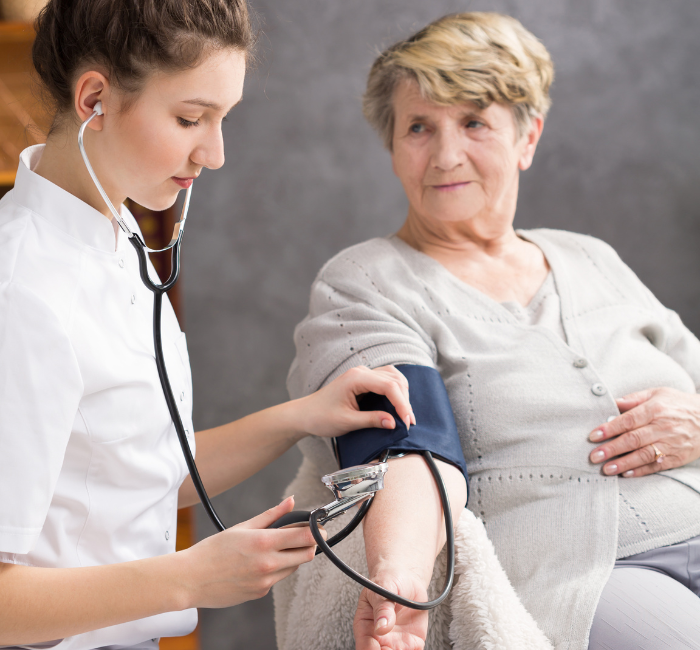
Knowing your blood pressure, cholesterol levels, blood sugar, and body mass index (BMI) allows you to track your risk factors and make informed decisions. If you’re over 40, overweight, or have a family history of heart disease, you should schedule more frequent screenings.
Medical professionals can also help you interpret your results and discuss any changes you may need to make. Early intervention is key.

Heart health is a journey
A Healthy Heart Means a Healthier Life
Physical activity is essential for a strong, healthy heart. Regular exercise helps reduce blood pressure, control weight, manage cholesterol, and support good mental health. However, you don’t need to run marathons or train like an athlete to benefit.
The World Heart Federation recommends at least 150 minutes of moderate-intensity activity per week. This can include brisk walking, dancing, gardening, cycling, or swimming, anything that raises your heart rate and gets you moving.
If you struggle with motivation, consider joining a group or community-based activity. Parkruns, hiking groups, and local running or walking clubs are excellent ways to stay active and socially connected. Many people find that the shared accountability and companionship make it easier to stay consistent.
Importantly, if you’ve been inactive or have existing health concerns, speak to your healthcare provider before starting a new fitness routine. Listen to your body, start slowly, and build up your endurance over time.
Securitas® Financial Group
Speak to Your Financial Advisor About Medical Cover That Supports Your Health Goals
Another important, often overlooked component of heart health is access to healthcare. Regular screenings, medication, and even emergency care can be expensive. That is where having the right medical aid and gap cover can make a significant difference.
Some medical aids offer wellness and rewards programmes that encourage healthier lifestyle choices by providing discounts and incentives. These programmes often include benefits for staying active, stopping smoking, making better choices while grocery shopping, or completing regular health checks.
Speak to your financial advisor at Securitas® Financial Group to find out which medical aid options best suit your needs. Protecting your health and your finances can help give you peace of mind as you continue your wellness journey.
You may want to read Men’s Health Month: Awareness, Prevention, and Financial Preparedness and World Hypertension Day: Why Monitoring Your Blood Pressure Can Be Life-Saving if you found this article insightful.