Table of Contents
Toggle
Organ Donation in South Africa
The Power of Stem Cell, Tissue and Organ Donation in South Africa
August brings two important awareness occasions together: Organ & Tissue Donor Month, and Bone Marrow Stem Cell Donation & Leukaemia Awareness Month. They focus on different types of donation, but they share a common purpose. Both are about ordinary people making a choice that could have a life-changing impact on someone they will never meet.
If organ and tissue donation in South Africa has never been something you have thought about before, this month is a good opportunity to learn a little more.
Securitas® Financial Group
One decision, impacting multiple lives
The impact of a single decision can be extraordinary. By donating your organs, you can save up to seven lives, and by donating tissue, you can help up to 50 people. According to the World Health Organization, transplantation of human cells, tissues, or organs is the best (and often the only) way to save the lives of people with serious or life-threatening conditions. For many patients, there simply is no other treatment, medication or procedure that can offer the same chance.
Organ donation usually takes place after a person has been declared brain dead while still on life support. Tissue donation, however, can take place several hours or even days after passing away. This means that even people who never reach the hospital in time may still be able to give someone the gift of sight, mobility or restored function. Corneas, skin, bone, tendons, and heart valves can all be donated, and throughout the process, the donor is treated with the same care and dignity as in any surgical procedure.
It is also helpful to know that registering as a donor does not mean all your organs and tissue will automatically be used. Suitability is assessed at the time of passing based on your medical history and condition at the time. You can also choose which organs or tissue you are willing to donate, and which you are not. The decision is always yours, and you can change your mind whenever you wish.
Stem Cell Donation
How stem cell donation works
Bone marrow stem cell donation works a little differently from organ and tissue donation, and many people know less about it. A stem cell transplant replaces diseased or damaged blood-forming cells with healthy ones. It is the primary treatment for certain blood cancers, including leukaemia, and is increasingly recognised as a possible path to cure for other serious conditions. The WHO notes that more than 1.5 million patients have undergone this type of transplant, with growing recognition of its potential beyond leukaemia treatment, including for genetic conditions that previously had very limited treatment options.
For someone waiting for a stem cell transplant, finding a compatible donor can take months, and unfortunately some patients never find a match. Compatibility is determined by tissue type, and the best match is often someone from the same ethnic background. In South Africa, where the donor registry is still growing, there is a real need for more registered donors, particularly from underrepresented communities.
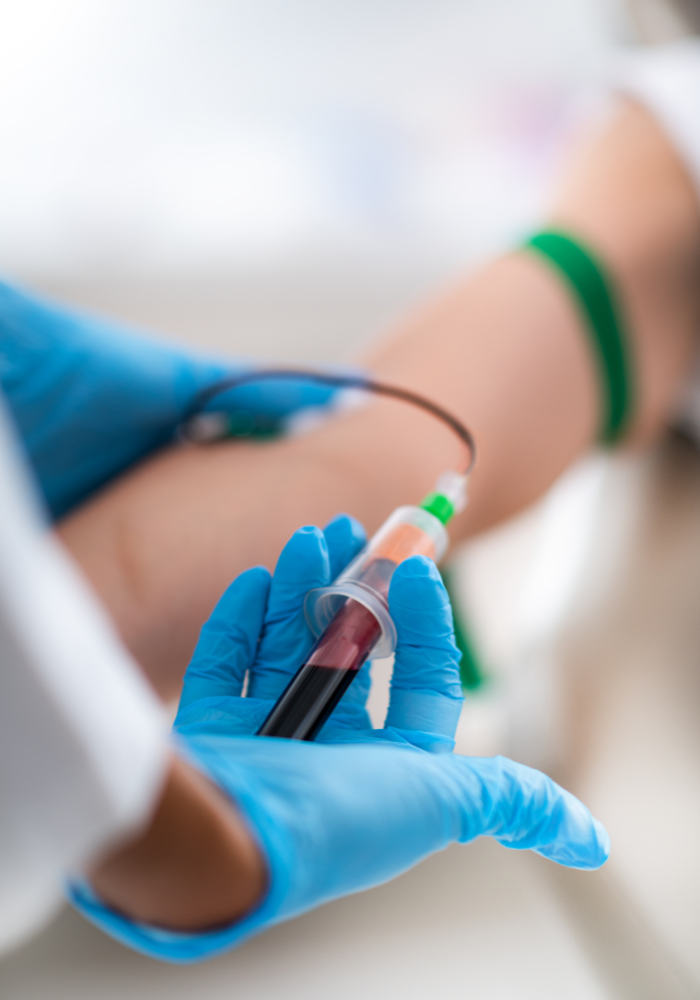
The encouraging news is that the donation process is often much simpler than people expect. In most cases, stem cells are collected from the bloodstream rather than directly from the bone marrow, through a process similar to donating blood plasma. Donors receive medication beforehand to encourage stem cell production, and the collection itself usually takes just a few hours. Recovery is generally quick.
Securitas® Financial Group
Why more donors matter

Organ Donor
How to register as an organ donor in South Africa
Organ donor registration in South Africa is free and only takes a few minutes. You can register online or call the Organ Donor Foundation toll-free line on 0800 22 66 11. You will receive a donor card to keep in your wallet and a sticker for your ID document and driver’s licence. Anyone who is in good health and free of defined chronic conditions that could adversely affect a recipient can register, and suitability is always confirmed at the time of passing.
To register as a potential bone marrow donor, you can contact the South African Bone Marrow Registry (SABMR), which coordinates the search for compatible donors for patients in need across the country.
Neither costs anything, and both have the potential to change lives.
Securitas® Financial Group
Do you need a financial advisor?
At Securitas® Financial Group, we believe in making sure your medical aid and broader financial plans are in order. If you would like to speak to a qualified financial advisor about your current cover and financial products, we are here to help.
Did you find this article insightful? You may also want to read What Should and Should Not Be in Your Last Will and Testament and The Significance of Having a Valid Will.