Table of Contents
Toggle
Each year on World Malaria Day, attention turns to one of the world’s most persistent infectious diseases. While malaria is often associated with other parts of Africa, it remains an important public health concern in parts of South Africa.
For many South Africans, malaria may feel like a distant issue. Yet the disease continues to affect certain regions of the country, and environmental factors such as rainfall and flooding can quickly increase the risk of transmission. Recent weather patterns across Southern Africa are a reminder that malaria awareness still matters – particularly after this year’s rainfall.
Securitas® Financial Group
Where malaria occurs in South Africa
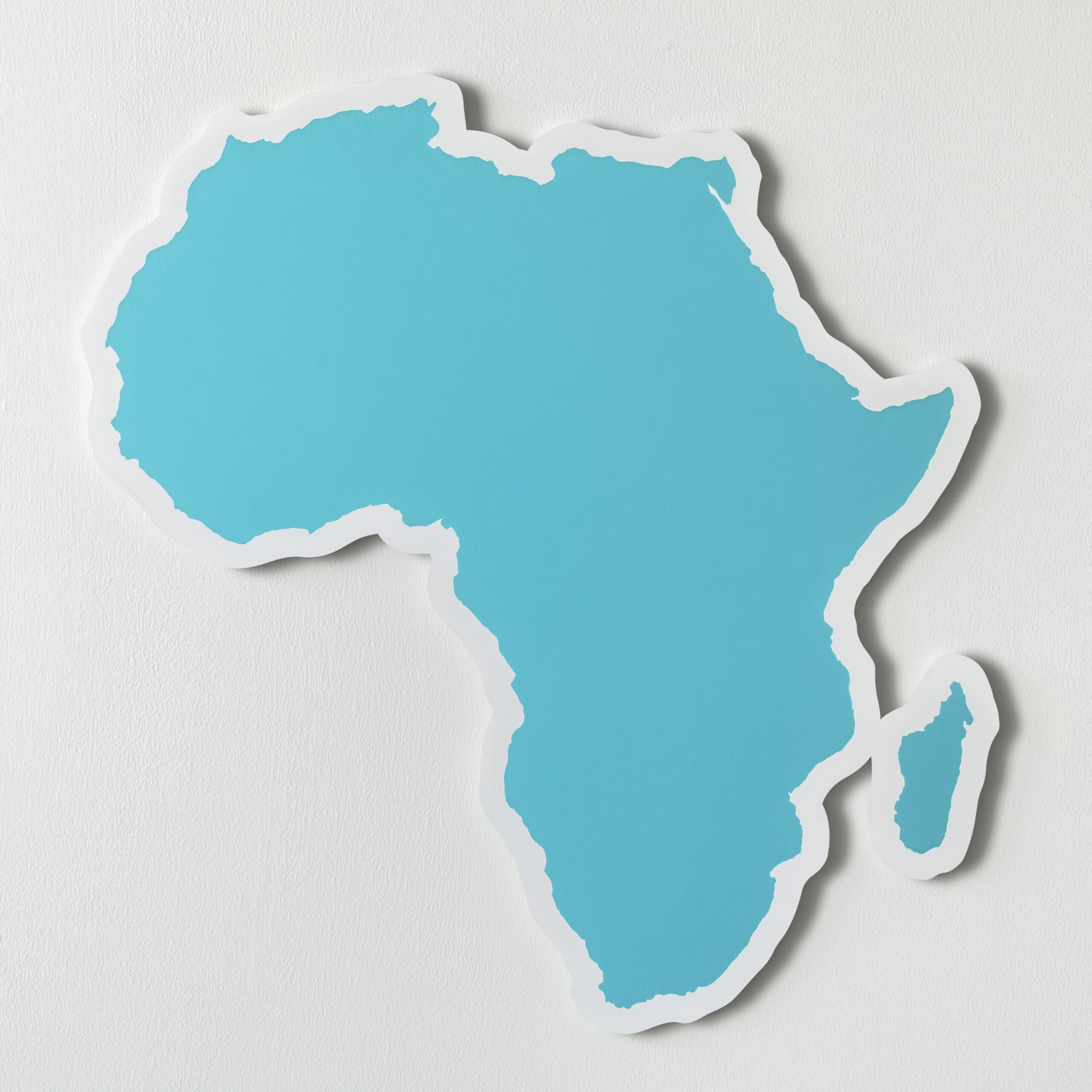
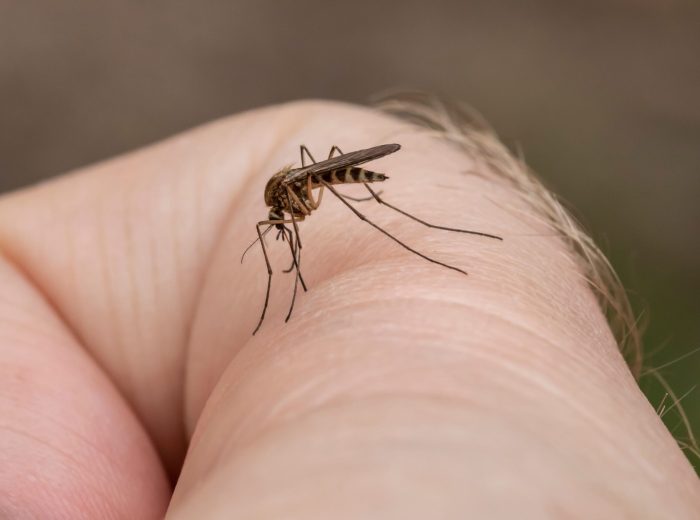
Malaria is transmitted through the bite of infected Anopheles mosquitoes. In South Africa, malaria transmission mainly occurs in the north-eastern parts of the country, particularly in Limpopo Province, Mpumalanga Province, and the north-eastern areas of KwaZulu-Natal Province.
These regions share borders with countries where malaria is more widespread, including Mozambique, Zimbabwe, and Botswana. Because malaria does not stop at national borders, cross-border travel and movement between communities play a role in how the disease spreads across the region.
South Africa has made significant progress in reducing malaria cases over the past two decades, and the country continues working toward malaria elimination. However, the disease has not disappeared, and conditions can change quickly depending on weather patterns, mosquito populations and regional travel.
Malaria Risk
How recent flooding may affect malaria risk
Earlier this year, heavy rainfall and flooding affected several parts of Southern Africa. Experts from the University of Pretoria’s Institute for Sustainable Malaria Control (UP ISMC) have warned that these conditions may increase the risk of malaria transmission in the months that follow.
Flooding often leaves behind pools of stagnant water as the water recedes. These pools provide ideal breeding sites for Anopheles mosquitoes, which means mosquito populations can increase rapidly after such events.
According to Professor Tiaan de Jager, Director of the institute, extreme weather events such as severe rainfall are becoming more frequent and can expand mosquito breeding habitats. Without coordinated responses, these conditions could place additional pressure on malaria control efforts across the region.
The flooding has also affected neighbouring countries such as Mozambique, where many communities face both increased mosquito exposure and disruptions to healthcare services. Because malaria is a regional issue, these developments can influence risk patterns across Southern Africa, including parts of South Africa.
Securitas® Financial Group
Why malaria awareness still matters
Awareness remains one of the most important tools in preventing malaria. According to Taneshka Kruger, Project Manager at the UP ISMC, understanding the risks and knowing how to respond can help prevent illness and save lives.
This is particularly important for people who travel. Many South Africans visit malaria-risk areas for holidays, business trips or family visits. Without awareness, the early symptoms of malaria may easily be mistaken for flu or another common illness.
Recognising the symptoms and seeking treatment early can prevent the disease from becoming severe.

Malaria Symptoms
Recognising the symptoms
Malaria symptoms usually appear between ten and fifteen days after a person has been bitten by an infected mosquito. The illness often begins with symptoms that resemble flu, including fever, headache, fatigue, muscle pain, chills, nausea or diarrhoea.
Many people experience cycles of fever and chills, which can come and go over several hours.
If malaria is not treated quickly, the infection can become severe. In these cases, symptoms may include confusion, seizures, difficulty breathing or loss of consciousness. Anyone who has recently travelled to a malaria-endemic area and begins experiencing flu-like symptoms should seek medical attention as soon as possible.
Early diagnosis and treatment are essential in preventing complications.
Securitas® Financial Group
Reducing your risk of malaria
Although malaria can be treated, preventing mosquito bites remains the most effective way to protect yourself.
Because malaria-carrying mosquitoes are most active between dusk and dawn, limiting outdoor exposure during these hours can help reduce the chance of being bitten. When spending time outside in the evening, wearing long-sleeved clothing and long trousers can provide an additional layer of protection.
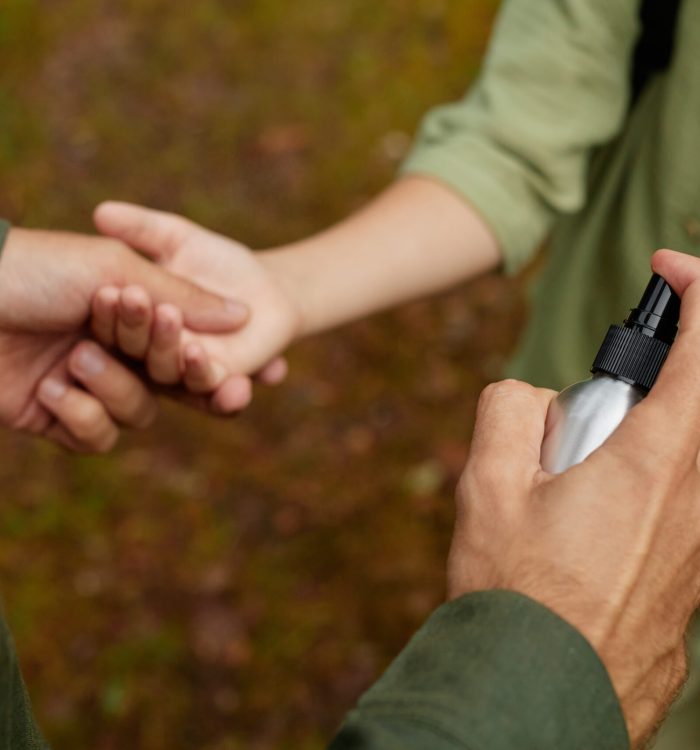
Insect repellent applied to exposed skin is another effective measure. Keeping windows and doors screened where possible can also help prevent mosquitoes from entering homes or accommodation.
In areas where mosquitoes are common, people may use mosquito coils or insecticide sprays indoors. Sleeping under insecticide-treated bed nets remains one of the most reliable ways to reduce exposure to mosquito bites during the night.
Travellers planning to visit malaria-risk areas should also speak to a healthcare professional beforehand, as preventative medication may be recommended depending on the destination.
Securitas® Financial Group
A regional challenge
Malaria remains a shared challenge across Southern Africa. Because people and mosquitoes move freely across borders, effective malaria control depends on cooperation between neighbouring countries.
Health authorities, researchers and malaria control programmes across the region continue working together to monitor outbreaks, improve surveillance systems and strengthen prevention efforts.
World Malaria Day
Staying vigilant
South Africa has made encouraging progress in reducing malaria cases, but the disease still requires ongoing attention. Environmental changes, including heavy rainfall and flooding, can quickly increase mosquito populations and raise the risk of transmission.
As World Malaria Day reminds us each year, staying informed remains one of the best ways to protect ourselves and our communities. By understanding the risks, recognising the symptoms, and taking simple preventive steps, South Africans can continue to support the country’s progress toward eliminating malaria.
Interested in more insightful content like this? Then you may want to read Understanding Obesity in South Africa and Why Support Matters and Why Following Your Gut Might Be the Answer to Good Health.
Reference: Insights and expert commentary referenced from the University of Pretoria Institute for Sustainable Malaria Control, “Recent flooding across Southern Africa raises malaria risk – UP experts ready to support government programmes,” published 5 February 2026.